From precarious working conditions to the racialization of migrants, labor migration has shaped the economies, societies and communities of Eastern Europe for more than 200 years.
Seven faculties, over 150 departments and more than 200 study programs: benefit from the interdisciplinary and pioneering spirit of Switzerland’s largest university.
Imagination, daring, patience and determination are vital to shed light on scientific unknowns and make breakthrough discoveries. For this, freedom and space to reflect and question are required.
UZH encompasses a huge breadth of differing but mutually stimulating perspectives, ways of thinking and academic milieus. Our knowledge and findings are made to be shared: let yourself be inspired.
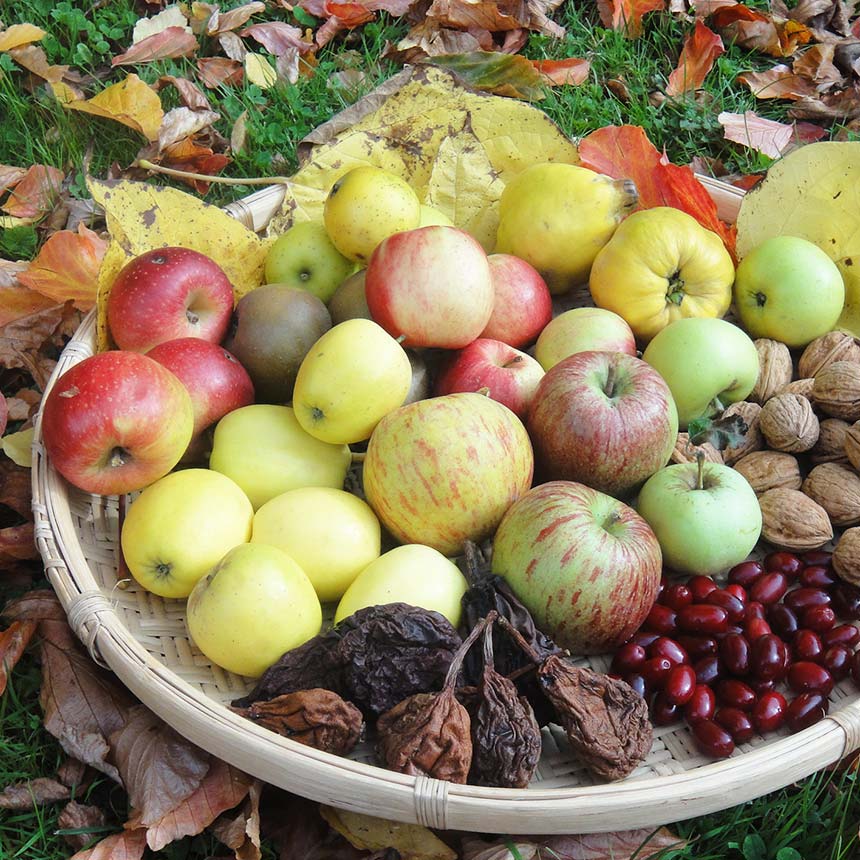
“Kronprinz Rudolf,” “Enterprise,” or the Zurich variety “Nicolin”: Discover the diversity of fruits and wild berries at the University of Zurich's Botanical Garden.
Klimaveränderung, demografische Revolution und eine rasante Technologieentwicklung: Was bedeutet dies für die Schweiz und welche Herausforderungen müssen jetzt angegangen werden? Vortrag von Jacques Pitteloud, CH-Botschafter in Belgien, am EIZ.
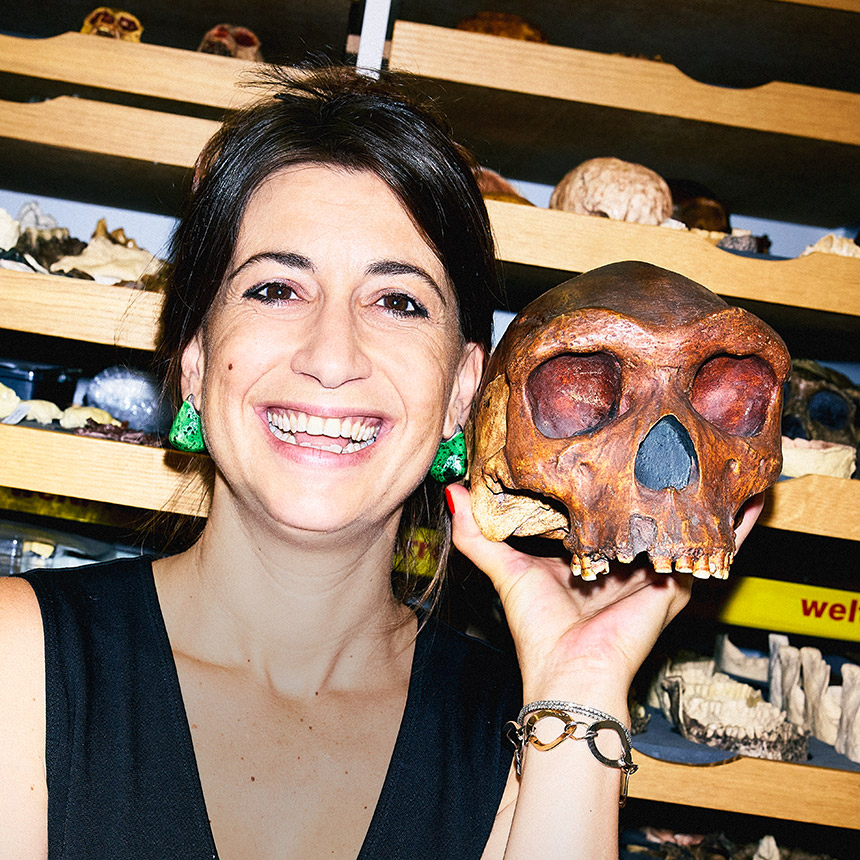
What makes us human? Researchers have been grappling with this question for centuries. In the latest issue of the UZH Magazin, researchers from different fields across the university offer their answers.
“Judaism and Islam”, “Labor Migration”, or “Truth and Lies”: You are invited to the “Ringvorlesungen” of the fall semester. Free of charge, no registration required. Until 17 December.
In our Friday newsletter UZH Weekly we send you a round-up of the best university stories of the week, as well as a selection of upcoming events and links to media coverage featuring UZH experts.
The University of Zurich is home to students and staff from over 120 countries. Find out more about our diverse and inspiring learning, research and working environment.